
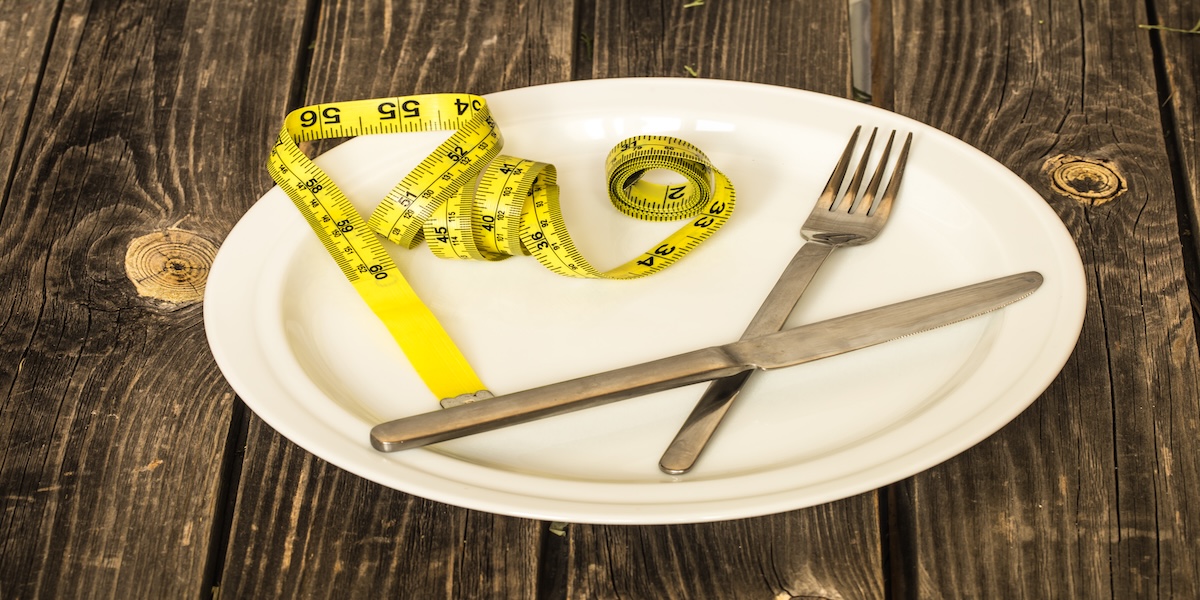
The concept of a calorie deficit is one of the most widely discussed principles in weight loss. It appears in almost every diet plan, fitness programme and transformation story. At its simplest, a calorie deficit means consuming fewer calories than your body uses, forcing it to draw on stored energy, primarily body fat.
While the principle itself is sound, the way calorie deficits are applied in practice is often flawed. Many people pursue aggressive deficits in the hope of faster results, unaware of the biological consequences that come with eating too little for too long. Understanding how to create a sustainable calorie deficit, and what happens when it goes too far, is essential for anyone looking to lose fat while protecting their health.
What Is a Calorie Deficit?
A calorie deficit occurs when your energy intake from food is lower than your total daily energy expenditure. This includes calories burned through basic bodily functions such as breathing and digestion, as well as physical activity and exercise.
When the body does not receive enough energy from food, it must compensate by using internal energy stores. These stores include fat tissue, glycogen from carbohydrates, and in some cases, lean tissue such as muscle.
Fat loss occurs when the body primarily uses fat tissue to make up the shortfall. However, this only happens efficiently when the deficit is appropriate and supported by adequate nutrition.
Why Calorie Deficits Work for Fat Loss
Fat tissue exists primarily as an energy reserve. From an evolutionary perspective, it is designed to be mobilised when food intake is lower than energy demand.
When you maintain a moderate calorie deficit:
- Fat cells release stored fatty acids
- These are transported into the bloodstream
- They are used by muscles and organs for energy
This is the fundamental mechanism behind fat loss. No diet style, supplement or workout can bypass this process. Whether someone follows keto, intermittent fasting, low fat or plant-based eating, fat loss only occurs if a calorie deficit exists.
The Problem With Going Too Low
Many people assume that a larger deficit equals faster results. This often leads to extreme dieting, where intake is slashed far below what the body requires.
While this may result in rapid weight loss initially, much of that loss comes from water, glycogen and lean tissue rather than fat. Over time, excessively low calorie intake creates a range of physiological and psychological problems.
Metabolic Adaptation
The body is highly adaptive. When energy intake drops significantly, it responds by reducing energy expenditure.
This includes:
- Lower resting metabolic rate
- Reduced thyroid hormone output
- Decreased body temperature
- Less spontaneous movement
This phenomenon is known as metabolic adaptation. It makes further fat loss harder and increases the likelihood of weight regain once normal eating resumes.
Muscle Loss
Without sufficient energy and protein, the body may begin breaking down muscle tissue to meet energy demands. Muscle is metabolically active tissue, so losing it further reduces daily calorie expenditure.
This creates a vicious cycle where fat loss slows while body composition worsens.
Hormonal Disruption
Severe calorie restriction affects multiple hormones:
- Leptin drops, increasing hunger
- Ghrelin rises, intensifying appetite
- Cortisol increases, promoting fat storage
- Sex hormones can decline, affecting mood and recovery
In women, prolonged low energy availability can disrupt menstrual cycles. In men, testosterone levels may fall, impacting strength and libido.
Psychological Effects
Extreme deficits often lead to:
- Food obsession
- Anxiety around eating
- Low mood and irritability
- Binge eating episodes
This mental strain is one of the main reasons crash diets fail long term.
How Big Should a Calorie Deficit Be?
For most people, a sustainable calorie deficit sits between 10 and 25 percent below maintenance intake.
This typically equates to:
Around 300 to 500 calories per day for smaller individuals
Around 500 to 700 calories per day for larger or more active individuals
This level of deficit allows fat loss to occur while preserving muscle mass, hormone function and metabolic rate.
The exact number depends on body size, activity level, age, sex and training status. There is no universal target that suits everyone.
What Happens Inside the Body During Fat Loss
When a calorie deficit is applied correctly, several positive adaptations occur:
- Fat cells shrink as stored lipids are mobilised
- Insulin sensitivity improves
- Blood lipid profiles often improve
- Cardiovascular markers typically benefit
However, these benefits depend on maintaining adequate intake of protein, micronutrients and essential fats.
Fat loss is not simply about eating less. It is about fuelling the body correctly while creating a controlled energy gap.
The Role of Protein in a Calorie Deficit
Protein plays a critical role in protecting lean mass during fat loss.
Adequate protein intake:
- Preserves muscle tissue
- Supports recovery
- Enhances satiety
- Increases thermic effect of food
Most evidence suggests that individuals in a calorie deficit should consume between 1.6 and 2.2 grams of protein per kilogram of body weight per day.
Without sufficient protein, the body is more likely to break down muscle during energy restriction.
Training and Energy Availability
Exercise amplifies the effects of a calorie deficit, but it also increases energy requirements.
If training volume is high and calorie intake is too low, the risk of fatigue, injury and hormonal disruption increases.
This is commonly seen in endurance athletes and high-volume gym users who attempt aggressive fat loss while maintaining intense training schedules.
In these cases, performance often declines before fat loss improves.
Signs Your Deficit Is Too Aggressive
Common indicators include:
- Constant hunger
- Poor sleep
- Loss of strength
- Low energy
- Frequent illness
- Mood changes
- Plateaus followed by rapid regain
These symptoms suggest the body is under excessive stress and that the deficit needs to be reduced.
Fat loss should feel manageable, not punishing.
Why Slow Fat Loss Is Usually Better
Slower fat loss tends to produce better long-term outcomes because:
- Muscle mass is preserved
- Metabolism remains stable
- Habits are easier to maintain
- Psychological stress is lower
- Weight regain is less likely
Rapid weight loss is rarely fat loss alone. It often reflects dehydration and lean tissue breakdown.
Sustainable fat loss typically occurs at a rate of 0.5 to 1 percent of body weight per week.
The Importance of Knowing Your True Energy Needs
Many people miscalculate their calorie needs because they rely on generic online calculators or wearable devices that can be highly inaccurate.
This often leads to deficits that are either too small to be effective or too large to be healthy.
Understanding your true resting metabolic rate and activity energy expenditure allows you to create a precise, personalised deficit.
This removes guesswork and reduces the risk of underfueling or stalling progress.
A calorie deficit is essential for fat loss, but more is not better. The goal is to apply enough restriction to encourage fat use without triggering metabolic slowdown, muscle loss or hormonal disruption.
Fat loss should enhance health, not compromise it. The most effective approach is one that balances energy intake with training demands, adequate protein, and realistic expectations.
At BodyView, we help clients understand their true energy needs through metabolic testing and detailed DEXA body composition analysis. This allows for precise calorie planning that supports fat loss while protecting muscle mass, bone health and long-term metabolic function.