
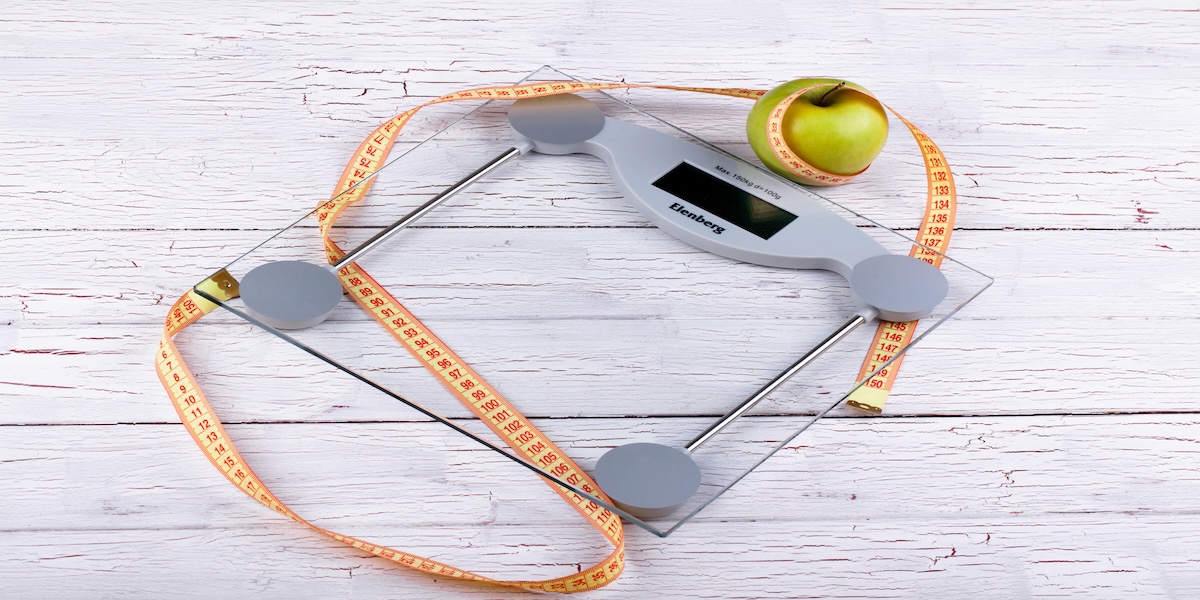
With smart technology becoming part of everyday life, more people than ever are tracking their health from home. From sleep and steps to heart rate and calories, modern devices promise deep insight into our bodies with minimal effort. One of the most popular tools is the smart body fat scale, designed to estimate body composition alongside body weight.
Brands such as Fitbit, Garmin, Renpho and Withings now offer home scales that claim to measure everything from body fat percentage to muscle mass and even metabolic age. But how accurate are body fat scales in reality, and how much trust should you place in the numbers?
If you are trying to improve your physique, manage your health, or simply understand your body better, it is important to know exactly what these scales measure and where their limitations lie.
What Does a Body Fat Scale Measure?
A body fat scale, often called a body composition scale, is a digital scale that attempts to estimate different components of your body rather than just your weight.
Most smart scales report a range of metrics including:
Body weight
Body fat percentage
Fat mass
Muscle mass
Skeletal muscle
Body water percentage
BMI
Visceral fat rating
Metabolic age
While this data can appear highly detailed, it is crucial to understand that most of these values are not directly measured. They are calculated estimates based on mathematical models.
The only truly direct measurement a smart scale provides is body weight. Everything else is inferred using algorithms that rely on assumptions about how bodies typically behave.
This is where accuracy becomes a problem.
How Do Body Fat Scales Work?
Smart scales estimate body composition using a method called bioelectrical impedance analysis, often shortened to BIA.
When you stand barefoot on the scale, a very low electrical current passes through your body. This current travels at different speeds depending on the type of tissue it moves through.
Water-rich tissue like muscle conducts electricity well. Fat tissue contains less water and offers more resistance.
The scale measures how much resistance the current encounters and uses that information to estimate your body composition.
In simple terms:
Low resistance suggests more lean tissue
High resistance suggests more fat tissue
From this, the scale calculates your body fat percentage and other metrics using population averages.
The problem is that hydration levels, recent food intake, caffeine, alcohol, exercise and even skin temperature all influence how electricity moves through your body.
This means your readings can fluctuate significantly without any real change in your body fat.
Why Smart Scale Accuracy Varies So Much
The accuracy of body fat scales depends on several factors:
Hydration status
Time of day
Recent exercise
Body fat distribution
Sex and age
Athletic status
Two people with the same body fat percentage can receive very different readings due to how their fat is distributed and how hydrated they are.
Research consistently shows that home body fat scales can overestimate fat in lean individuals and underestimate fat in people with higher body fat levels.
This makes them unreliable for tracking true progress, particularly for athletes or anyone serious about body composition.
They may be useful for spotting general trends over time, but they are not precise tools.
What Body Fat Scales Cannot Measure
Despite the long list of metrics displayed on smart scales, there are several critical health markers they simply cannot measure.
These include:
Visceral Fat
The deep fat that surrounds your organs inside the abdominal cavity. This type of fat is strongly linked to cardiovascular disease and metabolic risk.
Bone Density
The mineral content of your bones, which plays a major role in fracture risk, ageing and long-term health.
Regional Fat Distribution
Smart scales cannot show where fat is stored across different parts of the body.
Muscle Imbalances
They cannot identify differences in lean mass between limbs or sides of the body.
These metrics require imaging based assessments rather than electrical estimation.
Are Body Fat Scales Useful At All?
Home scales are not useless, but they need to be interpreted correctly.
Alternatives to Body Fat Scales
Skinfold Callipers
Skinfold testing involves measuring the thickness of skin and fat at multiple sites across the body using callipers.
Common measurement points include:
Abdomen
Triceps
Thigh
Upper back
Hip
Chest
These measurements are entered into equations to estimate overall body fat percentage.
While skinfold tests can be fairly accurate in experienced hands, results vary depending on the tester's skill and the individual's fat distribution.
They also cannot assess visceral fat, bone density or internal fat stores.
DEXA Body Composition Scan
The most accurate method for body composition analysis is the DEXA scan.
DEXA stands for dual energy X-ray absorptiometry. It uses two low-dose X-ray beams to differentiate between bone, lean tissue and fat tissue across the entire body.
A DEXA scan can accurately measure:
Total body fat percentage
Regional fat distribution
Visceral fat levels
Lean mass
Muscle symmetry
Bone mineral density
The scan takes around four minutes and uses a very low level of radiation, similar to natural background exposure.
Unlike smart scales, DEXA does not rely on assumptions or population averages. It directly measures tissue composition.
This makes it the gold standard for body composition testing in clinical and sports science settings.
Why Accurate Body Fat Measurement Matters
Understanding your true body composition is far more valuable than knowing your weight alone.
Two people can weigh the same but have completely different health profiles depending on how much fat, muscle and bone they carry.
Accurate data helps with:
Fat loss planning
Muscle building strategies
Health risk assessment
Training effectiveness
Long-term monitoring
Without reliable measurements, it is easy to misinterpret progress or make poor decisions about nutrition and training.
Smart scales offer convenience and accessibility, but they are limited by the way they estimate body composition. While they can provide general trends, they cannot replace clinically accurate methods.
If your goal is to truly understand your body, improve your health or optimise performance, accurate measurement matters.
At BodyView, we use gold standard DEXA scanning to provide precise, clinically validated insight into body fat, muscle distribution, visceral fat and bone density. This allows you to track real change with confidence and make informed decisions about your health and training based on data you can trust.