
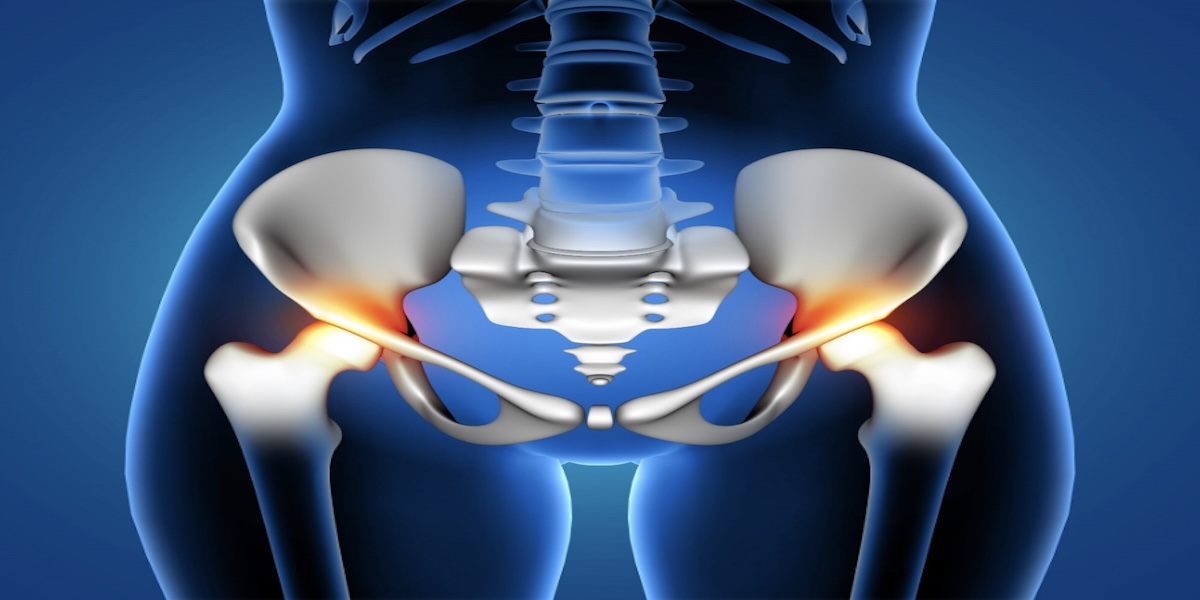
When it comes to bone health, most of us don’t think about it until something goes wrong. Yet conditions like osteopenia and osteoporosis affect millions of people, quietly weakening bones and increasing the risk of fractures. Understanding these conditions, what causes them, and how to prevent them is crucial for long-term health.
What Are Osteopenia and Osteoporosis?
Both osteopenia and osteoporosis describe reduced bone density, but they differ in severity.
Osteopenia is the early stage of bone loss. Bones are weaker than normal but not fragile enough to cause frequent fractures.
Osteoporosis is more advanced, with bones so weakened that even minor falls or bumps can lead to fractures, often in the hip, spine, or wrist.
Bone density naturally decreases with age, but lifestyle, diet, and genetics all play a role in how quickly this happens.
How Does Bone Loss Happen?
Our bones are living tissue, constantly being broken down and rebuilt through a process called bone remodelling. Osteopenia and osteoporosis occur when the breakdown of bone happens faster than the body can rebuild it. This can be caused by several factors:
Age: Bone mass peaks in your 20s and gradually declines thereafter.
Hormonal changes: Women going through menopause experience a rapid drop in oestrogen, which accelerates bone loss. Men also lose testosterone as they age, affecting bone strength.
Dietary factors: Insufficient calcium and vitamin D intake can reduce bone density over time.
Lifestyle factors: Smoking, excessive alcohol, and lack of weight-bearing exercise all contribute to weaker bones.
Medical conditions and medications: Certain diseases (like hyperthyroidism) and medications (steroids, some anti-seizure drugs) can accelerate bone loss.
Who Is at Risk?
While anyone can develop osteopenia or osteoporosis, the following groups are particularly at risk:
- Post-menopausal women
- Older adults over 65
- People with a family history of osteoporosis
- Individuals with a small, thin frame
- Those with poor nutrition or a sedentary lifestyle
The UK Impact of Osteoporosis In the UK:
Over 3 million people are estimated to have osteoporosis.
Around 500,000 fragility fractures occur every year.
One in two women and one in five men over 50 will experience an osteoporosis-related fracture.
These fractures cost the NHS over £4 billion per year and are a leading cause of loss of independence in older adults.
How Many Fractures Could Be Prevented With DEXA Scanning?
Clinical studies and NHS data suggest that up to 40 percent of osteoporotic fractures could be prevented through early detection and intervention.
This means that in the UK alone:
Between 150,000 and 200,000 fractures per year could potentially be avoided if low bone density was identified early using DEXA scans and appropriate action taken.
How to Prevent Bone Loss
The good news is that osteopenia and osteoporosis are preventable and manageable with the right strategies.
1. Diet Matters
Eat plenty of calcium-rich foods, such as dairy, leafy greens, almonds, and fortified products.
Ensure adequate vitamin D, which helps the body absorb calcium. Sunlight, fatty fish, and fortified foods are excellent sources.
2. Exercise Regularly
Weight-bearing exercises, like walking, running, or dancing, stimulate bone growth. Resistance training, such as weight lifting or resistance bands, strengthens bones and muscles.
3. Lifestyle Choices
Avoid smoking, which accelerates bone loss. Limit alcohol, as excess can interfere with calcium absorption.
4. Medical Monitoring
DEXA scans measure bone density and provide early detection of osteopenia or osteoporosis. Doctors may recommend medications to slow bone loss in higher-risk individuals.
How DEXA Scans Can Help
- A DEXA scan is the gold standard for measuring bone mineral density. It can:
- Detect early signs of osteopenia before it progresses to osteoporosis
- Monitor changes in bone density over time
- Help guide lifestyle, dietary, and medical interventions
At BodyView, we combine DEXA bone density scans with body composition analysis and our BodyComp Pro reports, giving a complete picture of your musculoskeletal and metabolic health.
Osteopenia and osteoporosis don’t have to be inevitable parts of ageing. With:
- Proper nutrition
- Regular exercise
- Lifestyle management
- Early monitoring with DEXA scans
You can maintain strong, healthy bones well into later life. Early detection and proactive prevention are the keys to protecting your independence and quality of life.
If you’re concerned about your bone health or want to establish a baseline for the future, consider booking a DEXA Body and Bone Scan with BodyView today. Our expert team will provide a detailed, personalised report and help you take steps to strengthen your bones and overall health.
Your bones support you for life. The sooner you understand them, the longer they will support you.