
We all know our bodies need fuel to function. But not all calories are created equal. Fat and carbohydrates provide energy differently, and understanding how your body uses them is key to optimising performance, managing weight, and improving overall health.
Your body burns a combination of fat and carbohydrates depending on activity intensity, diet, and fitness level. The more we understand this balance, the better we can tailor nutrition and training for maximum results.
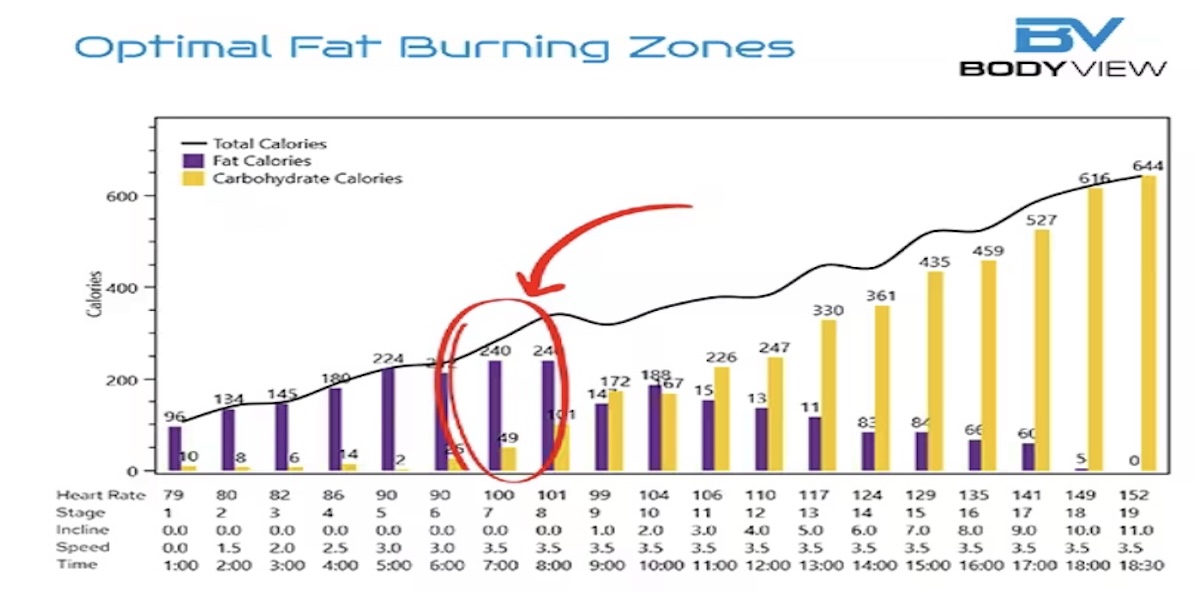
Modern testing, such as VO2 Max and Fat Max assessments, allows you to see exactly when your body is burning fat, carbohydrates, or a mix of both. These insights make it possible to personalise workouts and nutrition strategies for optimal energy use, performance, and recovery.
This blog will explain the differences between fat and carbohydrate calories, how your body chooses its fuel, and why replacing carbohydrates is crucial for anyone exercising regularly.
Understanding Fat Calories
Fat is often misunderstood. It is sometimes labelled the enemy in diets, yet it is one of the most efficient sources of energy for the body.
Energy density: Fat provides nine calories per gram, more than twice the energy of carbohydrates or protein.
Storage and availability: Fat is stored in adipose tissue and within muscle fibres as intramuscular triglycerides. Unlike carbohydrate stores, fat reserves are practically unlimited, making them a long-term energy source.
Primary function: Fat fuels low to moderate intensity activity and supports many daily metabolic functions, providing steady, lasting energy throughout the day.
Fat takes longer to metabolise than carbohydrates because it requires oxygen for energy production. It cannot supply energy as rapidly as carbohydrates during high-intensity activity, which is why the body relies on a mixture of fuels depending on the type and intensity of exercise.
Understanding Carbohydrate Calories
Carbohydrates are the body’s preferred fuel for higher-intensity activity. They are stored as glycogen in the muscles and liver and can be broken down quickly to provide glucose for energy.
Energy density: Carbohydrates provide four calories per gram.
Rapid mobilisation: Glycogen can be converted into glucose almost instantly, powering fast or intense activity.
High-intensity performance: Activities such as sprinting, high-intensity interval training, or lifting heavy weights rely heavily on carbohydrate metabolism.
Carbohydrate stores are limited, usually enough for one to two hours of high-intensity exercise. Understanding when your body relies on carbohydrates helps optimise both performance and recovery.
How the Body Chooses Its Fuel
Your body does not burn fat or carbohydrates exclusively. Fuel selection depends on exercise intensity, diet, and training status.
Exercise intensity: Low intensity activity mainly burns fat, moderate intensity burns a mix of fat and carbohydrates, and high intensity relies primarily on carbohydrates.
Training status: Endurance-trained individuals can burn fat more efficiently even at higher exercise intensities.
Diet: Low-carbohydrate diets encourage the body to rely more on fat, whereas high-carbohydrate diets preserve glycogen for high-intensity performance.
Metabolic flexibility: The ability to switch efficiently between fat and carbohydrate fuel is critical for energy management, performance, and long-term metabolic health.
Personalised testing, such as VO2 Max and Fat Max assessments, can take the guesswork out of fuel utilisation and show exactly how your body burns calories.
What Is VO2 Max?
VO2 Max measures the maximum amount of oxygen your body can use during intense exercise. It is the gold standard for assessing aerobic fitness.
High VO2 Max: Indicates a strong heart, lungs, and muscles capable of using oxygen efficiently.
Low VO2 Max: Suggests a need for improved cardiovascular conditioning.
VO2 Max testing shows your aerobic capacity and helps identify your optimal training intensity. It can also highlight when your body starts to rely more on carbohydrate energy during higher intensity exercise.
What Is a Fat Max Test?
A Fat Max test identifies the point during exercise at which your body burns the most fat calories per minute.
Fat Max intensity: Typically occurs at a moderate intensity where fat oxidation is maximised.
Why it matters: Training at or near your Fat Max improves endurance, metabolic flexibility, and the ability to use fat as fuel efficiently.
How it works: Testing measures your oxygen consumption and carbon dioxide production to determine the mix of fat and carbohydrate calories being used at different intensities.
Fat Max is unique to each individual. Two people with similar fitness levels may have very different Fat Max points. Knowing yours allows you to tailor both your training and nutrition for optimal results.
How VO2 Max and Fat Max Testing Reveal Fuel Use
VO2 Max and Fat Max testing measure how your body responds to exercise. They provide insight into when your body is using fat versus carbohydrate for energy.
These tests are invaluable for:
Endurance athletes: They can see when carbohydrate intake is needed to maintain performance.
Weight management: Understanding when fat burning is maximised supports fat loss while preserving lean muscle.
Metabolic health: Personalised insights help improve metabolic flexibility, supporting better energy use and long-term health.
Why Carbohydrate Replacement Matters
Carbohydrates are an essential fuel, especially during moderate to high-intensity exercise. When your body relies on carbohydrate metabolism without enough fuel available:
Glycogen stores become depleted
Energy levels drop
Recovery slows
Muscle breakdown may increase
Replacing carbohydrates helps to:
Maintain energy: Fuel is available for sustained performance.
Support fat metabolism: Proper carbohydrate intake allows the body to continue burning fat efficiently.
Aid recovery: Glycogen replenishment post-exercise supports muscle repair and adaptation.
Carbohydrate timing is also important. Consuming carbs before, during, and after higher intensity exercise can improve performance and recovery outcomes.
Nutrition and Training Combined
Knowing your Fat Max and VO2 Max allows you to plan both exercise and nutrition more effectively. For example:
Moderate intensity sessions: Target fat metabolism to improve endurance and energy efficiency.
Higher intensity sessions: Ensure carbohydrate intake to maintain energy and performance.
Recovery: Replace carbohydrates after exercise to replenish glycogen stores and support muscle repair.
This approach ensures your body burns both fat and carbohydrate efficiently, improving endurance, performance, and overall metabolic health.
Metabolic Flexibility
Metabolic flexibility is the ability of your body to switch between fat and carbohydrate metabolism efficiently.
High metabolic flexibility: Your body burns fat at lower intensities and switches to carbohydrates as intensity rises.
Low metabolic flexibility: The body relies too heavily on one fuel source, which can lead to early fatigue, slower recovery, and suboptimal training adaptations.
Exercise and nutrition are both key to improving metabolic flexibility. Regular training that varies intensity, combined with balanced nutrition, helps the body become more efficient at using both fuel sources.
The Broader Benefits
Fuel utilisation knowledge is not just for athletes. For everyday health, understanding how and when your body burns fat and carbohydrates can support:
Weight management: Optimising fat oxidation while preserving lean muscle.
Consistent energy: Avoiding energy crashes and fatigue during the day.
Metabolic health: Supporting blood sugar control and reducing chronic disease risk.
Long-term fitness: Preventing overtraining and promoting better recovery.
VO2 Max and Fat Max testing provides actionable data for exercise intensity, nutrition timing, and macronutrient balance.
Practical Application
If your Fat Max occurs at a moderate intensity and your VO2 Max identifies the threshold where carbohydrates become essential, you can structure a weekly training plan:
Fat Max sessions: Moderate intensity workouts focused on fat oxidation.
High-intensity sessions: Workouts at or near VO2 Max intensity to train carbohydrate metabolism.
Nutrition plan:
Moderate intensity: Balanced meals with protein and healthy fats.
High intensity: Include carbohydrates before and during workouts.
Post-exercise: Carbohydrates and protein for recovery and glycogen replenishment.
This approach ensures your body uses both fat and carbohydrate efficiently, maximising energy, performance, and recovery.
Why This Knowledge Matters
Understanding fat and carbohydrate utilisation provides a roadmap to optimise both exercise and nutrition. VO2 Max and Fat Max testing allow you to:
Train smarter
Avoid energy crashes
Protect and build muscle
Improve endurance
Support long-term metabolic health
Instead of guessing which fuel your body is using, these tests give clear, personalised insights. They make it possible to tailor training and nutrition strategies for maximum efficiency and results.
Fat provides long-lasting energy and carbohydrates supply quick energy.
Your body burns a mix of fat and carbohydrates depending on exercise intensity.
VO2 Max and Fat Max tests reveal exactly how your body uses fuel.
Carbohydrate replacement is essential for performance and recovery.
Optimising fuel use improves endurance, performance, and metabolic health.
Metabolic flexibility allows efficient switching between fat and carbohydrate fuel.
By combining exercise, nutrition, and personalised testing, you can ensure that every calorie is used efficiently, supporting both performance and long-term health.
Knowing when your body burns fat, when it relies on carbohydrates, and how to replace them is essential for energy, recovery, and results. With VO2 Max and Fat Max testing, you can finally train smarter and fuel your body properly.