
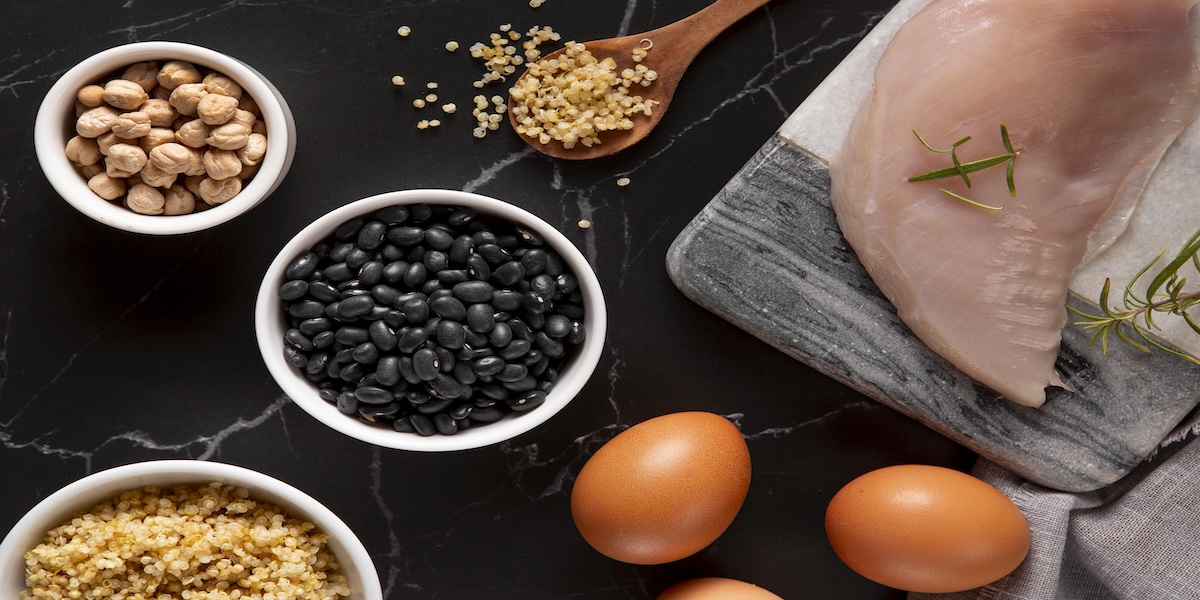
Fat loss and muscle gain are often spoken about as opposing goals, but in reality, they sit on the same continuum of body composition. Improving how much fat mass you carry relative to lean mass is not about miracle foods or extreme dietary rules. It is about understanding how the body uses energy, how muscle is built and preserved, and how nutrition supports these processes over time.
There is no single food that guarantees fat loss or muscle growth. Instead, results come from consistently eating in a way that supports your training, recovery, metabolism and overall health. Fat loss requires a sustained calorie deficit. Muscle gain requires sufficient energy intake, adequate protein and progressive resistance training. Both benefit from nutrient-dense foods that support hormonal health, digestion, inflammation control and satiety.
This article explores fifteen foods that consistently appear in evidence-based nutrition for improving body composition. These foods are not magic, but they earn their place through their protein content, fibre levels, micronutrient density and overall ability to support a lean, strong and resilient body. Understanding why these foods matter can help you build meals that work with your physiology rather than against it.
Oats
Oats remain one of the most reliable carbohydrate sources for people pursuing fat loss, muscle gain or both. As a whole grain, oats provide slow-releasing energy that helps stabilise blood sugar levels and reduce the likelihood of energy crashes or cravings later in the day.
Per 100 grams, oats contain approximately 379 calories and 13 grams of protein. A more realistic serving of half a cup provides around 153 calories and just over 5 grams of protein. While oats are not a high-protein food compared to animal products, their contribution adds up when combined with other protein sources.
Oats are particularly rich in beta-glucan, a soluble fibre that slows digestion and promotes fullness. This fibre has also been shown to support cholesterol management and gut health. From a micronutrient perspective, oats are an excellent source of manganese and provide meaningful amounts of magnesium, phosphorus, iron, zinc and B vitamins that support energy metabolism.
Whole oats also contain polyphenols and avenanthramides, antioxidant compounds linked to reduced inflammation and oxidative stress. These effects may be especially beneficial during periods of hard training or calorie restriction, when recovery demands are higher.
Broccoli
Broccoli is often overlooked because it is low in calories, but that is precisely what makes it so useful for fat loss. High-volume foods that deliver fibre and micronutrients without excessive energy intake make it easier to maintain a calorie deficit without constant hunger.
At roughly 35 calories per 100 grams, broccoli provides fibre, small amounts of protein and a wide range of vitamins including A, C, E, K and folate. It is also rich in plant compounds such as sulforaphane, quercetin and carotenoids.
Research suggests carotenoids may play a role in improving metabolic health, insulin sensitivity and fat distribution. While much of the evidence is still emerging, diets rich in colourful vegetables consistently correlate with better long-term health outcomes and healthier body composition.
Broccoli also supports gut health and digestion, which is increasingly recognised as a key factor in appetite regulation, nutrient absorption and inflammation control.
Nuts
Nuts often get a bad reputation during fat loss because they are energy-dense. However, when eaten mindfully, they can be a powerful tool for appetite control and nutrient intake.
Despite their calorie content, nuts are highly satiating due to their combination of healthy fats, fibre and protein. Research consistently shows that nut consumption does not automatically lead to weight gain and may actually support fat loss by reducing overall calorie intake later in the day.
Walnuts provide omega-3 fatty acids and polyunsaturated fats that support cardiovascular health. Almonds are particularly high in vitamin E, magnesium and calcium, while pistachios, hazelnuts, Brazil nuts and peanuts all contribute unique micronutrient profiles.
Portion control matters, but including small amounts of nuts in meals or snacks can improve satiety and provide essential nutrients that support muscle function and recovery.
Flaxseeds
Flaxseeds are a compact nutritional powerhouse. They contain protein, fibre and healthy fats in a form that supports digestion, hormone balance and inflammation control.
Per 100 grams, flaxseeds provide approximately 18 grams of protein and 27 grams of fibre. Even a tablespoon contributes meaningful amounts of both, making flax an easy addition to meals without excessive calories.
Flaxseeds are rich in alpha-linolenic acid, a plant-based omega-3 fatty acid linked to reduced inflammation and improved recovery. They are also one of the richest dietary sources of lignans, antioxidant compounds associated with improved metabolic health.
Using ground flaxseeds improves absorption and allows their nutrients to be more readily utilised by the body.
Spinach
Spinach exemplifies nutrient density. With only around 23 calories per 100 grams, it delivers iron, magnesium, potassium and nitrates that support muscle function, blood flow and exercise performance.
Iron is particularly important for oxygen transport, while magnesium plays a role in muscle contraction and energy production. Spinach also provides antioxidants such as lutein and beta-carotene, which help mitigate oxidative stress generated during training.
Including leafy greens like spinach regularly supports both performance and long-term health while keeping calorie intake under control.
Greek Yoghurt
Greek yoghurt is one of the most effective protein sources for fat loss. Non-fat varieties provide around 10 grams of protein per 100 grams for fewer than 60 calories, making it exceptionally efficient.
It is rich in calcium and phosphorus, which support bone health and muscle contraction, and contains probiotics that promote gut health. A healthy gut environment plays a role in appetite regulation, inflammation and nutrient absorption.
Choosing plain, unsweetened Greek yoghurt avoids unnecessary sugar while allowing flexibility with flavour through fruit, nuts or spices.
Eggs
Eggs are a compact source of high-quality protein and essential nutrients. A single large egg contains roughly 6 grams of protein along with fat-soluble vitamins, choline and vitamin D.
Egg protein is particularly effective at stimulating muscle protein synthesis due to its amino acid profile. Eggs also contribute to feelings of fullness, making them a useful option during calorie-controlled phases.
Preparation matters. Poached, boiled, or lightly scrambled eggs preserve nutritional value without excessive added fats.
Chicken
Chicken breast remains a staple in body composition-focused diets for good reason. With approximately 31 grams of protein per 100 grams and minimal fat, it provides an efficient protein source that supports muscle repair and growth.
Chicken also delivers B vitamins, selenium and phosphorus, all of which contribute to energy metabolism and tissue repair. Its versatility makes it easy to include in a wide range of meals without monotony.
Fish
Fish offers a unique combination of protein and healthy fats. Fatty fish such as salmon provide omega-3 fatty acids that reduce inflammation, support muscle recovery and improve cardiovascular health.
Salmon contains around 22 grams of protein per 100 grams alongside EPA and DHA, two omega-3 fats with well-established health benefits. Leaner options such as cod or tuna provide high protein with fewer calories, making them ideal during fat loss phases.
Fish also supports thyroid function through iodine and provides selenium and B vitamins essential for metabolic health.
Lean Beef
Lean beef delivers high-quality protein, creatine and heme iron, all of which support strength, performance and oxygen transport to muscles.
Cuts such as sirloin or tenderloin provide approximately 28 grams of protein per 100 grams when trimmed of excess fat. Beef also supplies zinc, which plays a role in recovery and immune function.
Moderation is important. While lean red meat can support muscle gain, excessive intake of processed or fatty red meats is associated with negative health outcomes. Balance and portion control are key.
Cottage Cheese
Cottage cheese is rich in casein protein, which digests slowly and provides a steady supply of amino acids. This makes it particularly useful before sleep or between meals.
At under 100 calories per 100 grams with over 10 grams of protein, cottage cheese supports muscle maintenance during calorie deficits while contributing calcium and vitamin B12.
Tofu
Tofu offers a complete plant-based protein source suitable for vegetarian and vegan diets. With all nine essential amino acids, tofu supports muscle repair while providing minerals such as calcium, iron and magnesium.
Isoflavones found in tofu have been extensively studied and are considered safe for all populations. Concerns around hormonal effects are not supported by clinical evidence.
Its neutral flavour allows tofu to adapt to a wide range of dishes, making it a flexible protein option.
Edamame
Edamame provides a rare combination of plant-based protein and fibre. With around 11 grams of protein per 100 grams, it supports satiety and muscle repair.
It also delivers folate, vitamin K and magnesium, nutrients essential for cellular function and recovery. Edamame works well as a snack, salad addition or side dish.
Quinoa
Quinoa is technically a seed, but is used like a grain. It provides complex carbohydrates alongside complete protein, making it ideal for fuelling training and recovery.
With a low glycaemic index and high micronutrient content, quinoa supports stable energy levels and metabolic health.
Legumes and Pulses
Lentils, chickpeas, beans and peas provide fibre, protein and slow-digesting carbohydrates. They support gut health, appetite regulation and sustained energy release.
Legumes are particularly valuable for plant-based diets but benefit omnivorous diets as well by improving fibre intake and nutrient diversity.
What Makes a Food Effective for Fat Loss and Muscle Gain
Foods that support body composition goals tend to share several characteristics. They are rich in protein, which preserves lean mass and promotes fullness. They contain fibre, which supports digestion and blood sugar control. They provide healthy fats that support hormone production and reduce inflammation. They are rich in micronutrients that optimise metabolic function and recovery.
Meals that combine protein, fibre and healthy fats consistently outperform restrictive or extreme approaches when it comes to sustainability and long-term results.
Foods to Limit
Highly processed foods, excessive added sugars and high intakes of saturated and trans fats tend to undermine fat loss and muscle gain efforts. These foods are often low in micronutrients and highly palatable, making overconsumption more likely.
Reducing reliance on ultra-processed foods while prioritising whole, nutrient-dense options improves both health and body composition outcomes.
Supporting Your Progress with BodyView
Nutrition is only one piece of the body composition puzzle. Understanding how your body responds to food, training and lifestyle factors can transform guesswork into informed decision-making.
At BodyView, services such as DEXA body composition scans provide precise insights into fat mass, lean mass and bone density. Resting Metabolic Rate testing helps determine your true calorie needs, while VO2 max testing offers a deeper understanding of cardiovascular fitness and metabolic efficiency.
Our Services
When combined with evidence-based nutrition and training, these insights allow you to pursue fat loss and muscle gain with clarity, confidence and measurable progress.