
For decades, fat was treated as the ultimate dietary villain. Supermarkets filled with low-fat yoghurts, fat-free biscuits, and margarine marketed as a healthier alternative to butter. Entire generations were taught that eating fat made you fat, that cholesterol was dangerous, and that the safest diet was one built around grains, sugars, and low-fat processed foods.
Yet obesity rates soared. Heart disease remained the leading cause of death. And many people felt constantly hungry, tired, and metabolically unwell.
Today, science tells a very different story. Fat is not only essential for survival, it is one of the most powerful tools we have for long-term health. The problem was never fat itself. The problem was bad fat, excess sugar, and ultra-processed food.
Understanding the difference between good fats and bad fats is one of the most important steps you can take for your body, your brain, and your future health.
What Are Fats and Why Do We Need Them?
Fats are one of the three core macronutrients, alongside carbohydrates and protein. They are energy-dense, providing more than twice as many calories per gram as carbs or protein. But calories alone do not tell the full story.
Fat plays a central role in almost every system in the body:
Hormone production, including testosterone, oestrogen, and cortisol
Brain and nervous system function
Absorption of fat-soluble vitamins A, D, E, and K
Cell membrane structure and repair
Insulation and body temperature regulation
Long-term energy storage
Without adequate dietary fat, hormone levels fall, nutrient absorption declines, and cognitive function suffers. This is why extremely low-fat diets often lead to fatigue, low mood, hormonal disruption, and poor recovery.
Fat is not optional. It is foundational.
The Three Main Types of Fat
All fats fall into one of three categories:
Unsaturated fats
Saturated fats
Trans fats
Each behaves very differently in the body.
Good Fats: The Ones That Support Health
Unsaturated Fats
These are widely considered the healthiest fats and should make up most of your intake.
Monounsaturated Fats
Found in:
Olive oil
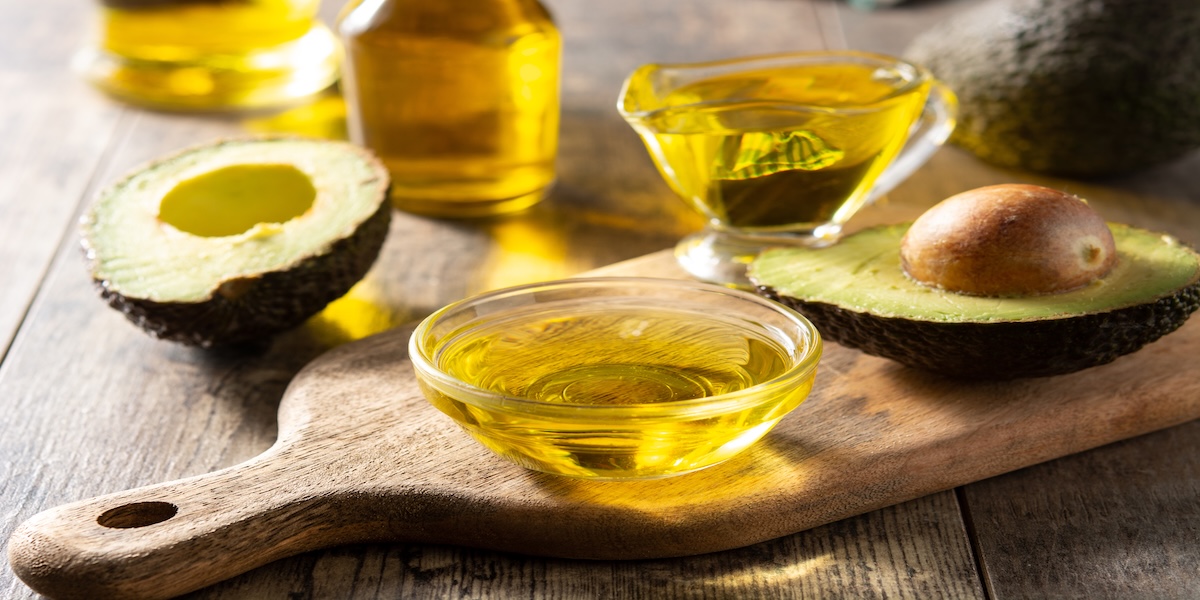
Avocados
Almonds, cashews, and peanuts
These fats improve cholesterol levels, support heart health, and reduce systemic inflammation. Populations with high olive oil consumption consistently show lower rates of cardiovascular disease.
Polyunsaturated Fats
Including omega-3 and omega-6 fats.
Omega-3 fats are found in:
Salmon
Sardines
Mackerel
Flaxseeds
Chia seeds
They support:
Brain development and memory
Joint health
Cardiovascular function
Mood regulation
Reduced inflammation
Omega-6 fats are found in nuts, seeds, and plant oils. They are essential in small amounts but harmful when consumed in extreme excess, which is common in ultra-processed diets.
The modern Western diet often contains far too many omega-6 fats and not enough omega-3 fats, creating an inflammatory imbalance.
Bad Fats: The Ones That Quietly Damage Health
Trans Fats
These are the most dangerous fats in the human diet.
Found in:
Processed baked goods
Fried fast food
Industrial cooking oils
Packaged snacks
Trans fats increase bad cholesterol, lower good cholesterol, and drive inflammation throughout the body. They are strongly linked to heart disease, insulin resistance, and metabolic dysfunction.
Many countries have now banned trans fats, but they still exist in trace amounts in processed foods.
Excess Saturated Fats
Saturated fat itself is not inherently toxic, but excessive intake is associated with higher cardiovascular risk, particularly when combined with high sugar and low fibre intake.
Found in:
Fatty red meat
Butter and cream
Processed meats
Cheese
Saturated fat should not be eliminated, but it should be balanced with unsaturated fats and whole foods.
Fat and Hormones: The Hidden Connection
Fat is essential for hormone production.
Testosterone, oestrogen, progesterone, and cortisol are all built from cholesterol. Diets too low in fat can lead to:
Low testosterone in men
Menstrual irregularities in women
Poor stress resilience
Reduced libido
Impaired recovery from exercise
This is why many athletes on extremely low-fat diets struggle with fatigue, poor performance, and hormonal disruption.
Healthy fats support stable hormone levels, better energy, and improved mood.
Fat and Brain Health
The human brain is nearly 60 percent fat.
Omega-3 fats are critical for:
Memory formation
Learning
Emotional regulation
Protection against cognitive decline
Low omega-3 intake is linked to:
Depression
Anxiety
Poor concentration
Increased dementia risk
Your brain quite literally runs on fat.
Fat and Inflammation
Chronic inflammation is a major driver of modern disease, including heart disease, diabetes, arthritis, and even cancer.
Bad fats, especially trans fats and excessive omega-6 oils, increase inflammation.
Good fats, particularly omega-3s and monounsaturated fats, reduce it.
Inflammation is not just about pain. It affects:
Insulin sensitivity
Immune function
Fat storage
Ageing processes
Your fat intake plays a major role in determining whether your body exists in a pro-inflammatory or anti-inflammatory state.
Fat and Body Composition
Eating fat does not automatically lead to fat gain.
What matters is:
Total calorie intake
Food quality
Metabolic health
Muscle mass
Diets rich in healthy fats often improve satiety, meaning people naturally eat less without trying.
This leads to:
Reduced sugar cravings
More stable blood sugar
Lower insulin spikes
Easier fat loss
Many people gain fat not because they eat too much fat, but because they eat too much processed carbohydrate combined with poor-quality oils.
The Role of Visceral Fat
Not all body fat is equal.
Visceral fat is stored around the organs and is strongly linked to:
Heart disease
Type 2 diabetes
Hormonal dysfunction
Early mortality
High intake of trans fats and processed foods is directly associated with increased visceral fat.
Diets rich in omega-3s and whole foods are associated with lower visceral fat and better metabolic health.
This is why two people with the same weight can have very different health risks.
Fat Myths That Refuse to Die
Myth 1: Eating fat makes you fat
Fat gain is caused by excess calories over time, not fat itself.
Myth 2: Low-fat diets are healthier
Low-fat diets often replace fat with sugar, which worsens insulin resistance.
Myth 3: Cholesterol is dangerous
Cholesterol is essential for hormone production and brain health.
Myth 4: All plant oils are healthy
Many industrial seed oils promote inflammation when consumed excessively.
How the Food Industry Got It Wrong
The low-fat movement was driven more by marketing than science.
When fat was removed from food, it was replaced with:
Sugar
Refined starch
Artificial flavourings
This made food more addictive, more calorie-dense, and less nutritious.
The result was:
Increased obesity
Higher diabetes rates
More cardiovascular disease
The fat myth did not make people healthier. It made them sicker.
What a Healthy Fat Intake Looks Like
A balanced fat profile includes:
Olive oil as your main cooking fat
Oily fish twice per week
Nuts and seeds daily
Avocados regularly
Minimal fried and processed foods
This pattern is consistently associated with:
Lower disease risk
Better metabolic health
Improved longevity
Fat and Ageing
Healthy fat intake slows biological ageing.
Omega-3 fats protect:
Telomeres
Brain tissue
Joint health
Cardiovascular elasticity
People who consume healthy fats age more slowly at a cellular level.
The Bigger Picture
Fat is not the enemy.
Good fats support your hormones, brain, heart, and metabolism. Bad fats quietly fuel inflammation, disease, and premature ageing.
The real risk is not fat. The real risk is ultra-processed food disguised as health food.
When you understand fat, you stop fearing food. You start fuelling your body properly. And you finally gain control over your health rather than chasing trends.
Fat does not make you unhealthy. Bad fat and poor information do.
And once you see the difference, you never look at food the same way again.
At BodyView, understanding how nutrition and lifestyle choices affect your health goes far beyond guesswork. Our advanced health testing services allow you to see exactly how your body is responding beneath the surface, from total body fat and visceral fat levels to lean mass, bone health, metabolic rate, and cardiovascular fitness. Using clinically validated technologies such as DEXA, VO2 Max testing, RMR, and 3D body scanning, BodyView provides objective, data-driven insights that empower you to make smarter decisions about your diet, training, and long-term health. Whether your goal is fat loss, performance, longevity, or disease prevention, BodyView gives you a clear baseline and measurable evidence of progress so you can move forward with confidence.