
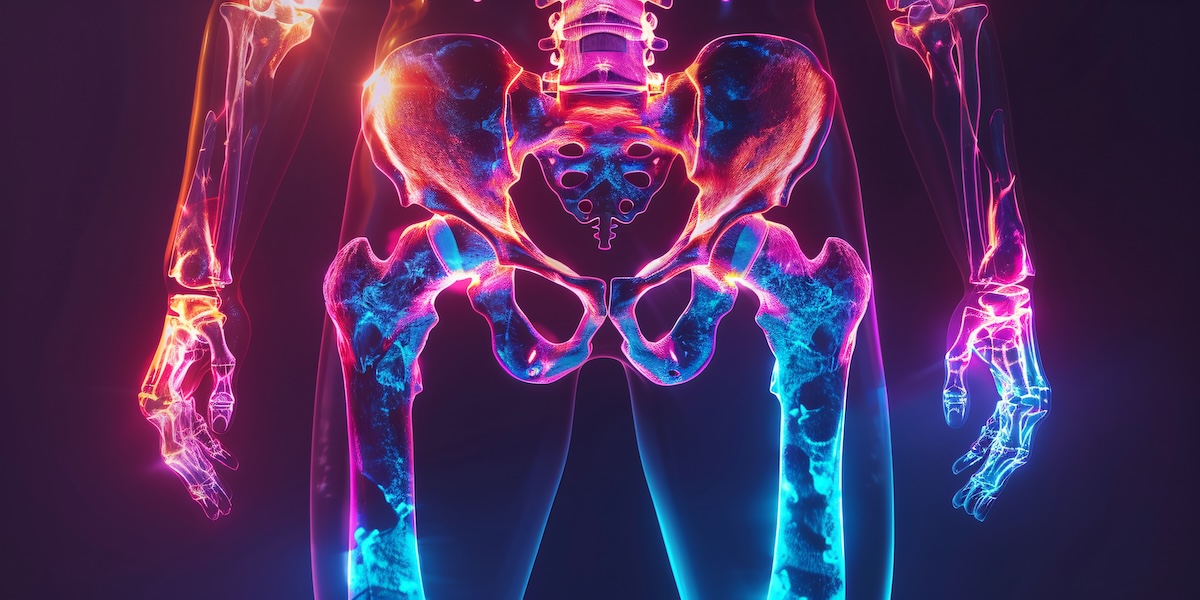
Bones are silent structures that play a crucial role in everyday life. They support movement, protect vital organs, and allow the body to function with strength and stability. Yet many people give little thought to their bone health until something goes wrong, such as a minor fall resulting in a break or the first pain from a weakened back appearing. To catch problems early, healthcare professionals often recommend a DEXA bone density scan. These scans give clear insight into bone strength and fracture risk, especially in key areas such as the lumbar spine and femoral neck.
Understanding bone health with precise measurements gives individuals and clinicians a chance to act early, guide decisions, and prevent fractures that can change lives. In the UK alone, the impact of fractures and osteoporosis on individuals and the health service is enormous, but early detection through bone density scanning offers a pathway to better outcomes.
Why Bone Health Matters in the UK
Bone weakness and fractures are widespread and costly health issues across the UK. More than 3 million people in the UK are estimated to have osteoporosis, a condition of weakened bones that increases fracture risk. Each year there are more than 500,000 fragility fractures, caused by minor trauma such as a fall from standing height. Fragility fractures include breaks of the hip, spine, wrist, and other bones. These injuries contribute significantly to disability, pain, and long-term loss of independence.
Hip fractures are particularly serious. The cost to the NHS is substantial, with hip fractures alone accounting for millions of days in hospital care and significant social care expenses. These injuries reduce quality of life and are linked with increased mortality and long recovery periods.
Fragility fractures are common. In the UK, each year there are estimates of almost 549,000 new fragility fractures, including more than 100,000 hip fractures and tens of thousands of vertebral breaks. These events lead to long-term disability and major impacts on everyday life.
The scale of the problem shows why bone health matters not only for older adults but for anyone wanting to maintain mobility and independence as they age.
The Purpose of a DEXA Scan
A DEXA scan, or Dual-Energy X-ray Absorptiometry, is a safe imaging test used to measure how much mineral is in the bones. It provides a precise figure known as bone mineral density (BMD). Unlike regular X-rays, which show fractures after they happen, DEXA scans can identify low bone density before fractures develop.
The scan is usually quick and painless. Low-dose X-rays are passed through the body, and detectors capture how much of the radiation is absorbed by bone compared with soft tissue. The information is processed into numbers that can be compared with reference data from healthy adults to assess whether bone density is normal, low (osteopenia), or very low (osteoporosis).
DEXA results are expressed as a T-score and a Z-score:
The T-score compares your BMD with that of a healthy 30-year-old adult of the same sex. It is the standard for diagnosing osteoporosis and osteopenia.
The Z-score compares your result to the average bone density for someone of your age, sex, and ethnicity.
These figures help clinicians understand how much bone you have relative to expectations and predict the likelihood of future fractures.
Why the Lumbar Spine Is Scanned
The lumbar spine, the section of the lower back made up of five vertebrae, carries much of the body’s weight and experiences significant mechanical stress in daily life. Its structure is rich in trabecular bone, the softer, spongy bone found inside the hard outer shell. Trabecular bone remodels quickly in response to changes in metabolism, hormones, and mechanical load. This rapid turnover also makes it more vulnerable to bone loss over time, especially with ageing, hormonal changes after menopause, or nutritional deficiencies.
When performing a DEXA scan, the lumbar spine is usually measured specifically from vertebrae L1 to L4. These four vertebrae are chosen because they provide the most reliable and clinically relevant information:
Sensitive indicator of bone loss: L1-L4 contains trabecular bone, which responds quickly to changes in bone density, allowing early detection of weakness.
Consistency and comparability: Measuring L1-L4 allows results to be compared accurately to reference populations.
Reduced interference: Vertebrae below L4 are often affected by degenerative changes, surgical implants, or abnormalities that could distort readings.
Clinical relevance: Fractures in this section are common in osteoporosis, making these vertebrae an important area for risk assessment.
Ease of imaging: L1-L4 avoids anatomical challenges like the sacrum or pelvis, giving clearer results.
Scanning this region provides a sensitive, standardised, and practical way to assess core bone health. Early detection allows individuals to work with their GP or clinician on strategies to protect and strengthen bone before serious injuries occur.
Why the Femoral Neck Is Scanned
The femoral neck is the narrow part of the upper thigh bone just below the ball of the hip joint. It is a critical junction that bears weight and leverages forces during movement, from walking and running to standing up. Its combination of trabecular and cortical bone structure means that while it is strong, it is also a common site for hip fractures in people with weakened bone.
Hip fractures are among the most serious consequences of low bone density because they can lead to lengthy hospital stays, surgery, and reduced ability to live independently. The femoral neck measurement gives clinicians an indication of how well this crucial load-bearing area of the skeleton can withstand mechanical stress. Combining lumbar spine and femoral neck measurements provides a fuller picture of an individual’s overall fracture risk.
DEXA Bone Density Scan Example Report
Combining Results for a Holistic View
Bone loss does not occur uniformly throughout the skeleton. Some people may show reduced density in the spine earlier, while others in the hip. Scanning both the lumbar spine and femoral neck provides a complete understanding of bone health. Those measurements can be used alongside risk assessments, which combine bone density with clinical factors such as age, family history, and previous fractures.
Besides raw numbers, the trend over time matters. People with baseline DEXA scans who then repeat scans in future years can monitor whether their bone strength is maintained, improving, or deteriorating. This ongoing tracking allows for better-informed decisions about activity, nutrition, and clinical follow-up if needed.
Early Detection and Prevention
DEXA scanning identifies bone weakness long before fractures occur. Research suggests that targeted screening combined with personalised follow-up can reduce fracture rates. Screening for osteoporosis in the UK could prevent more than a quarter of hip fractures in older women.
Fracture Liaison Services link fracture care with bone health assessment. These services use DEXA scans to identify patients at risk and provide interventions to prevent subsequent fractures. Early identification of low bone density, followed by assessment and guidance by a GP or healthcare professional, gives individuals the best chance to protect themselves from injuries.
What DEXA Tells You About Your Skeleton
DEXA scans provide more than a number. Here is what they reveal:
Bone Mineral Density (BMD): Measures how much mineral content your bones contain. Higher BMD generally indicates stronger bones.
Fracture Risk: Lumbar spine and femoral neck measurements allow clinicians to assess the likelihood of vertebral or hip fractures.
Changes Over Time: Repeat scans show how bone density changes, which may prompt lifestyle adjustments or discussion with a GP.
Actionable Guidance: Results help plan next steps such as exercise, nutrition, and fall prevention strategies.
Lifestyle Actions That Support Bone Health
DEXA scans provide the assessment, but maintaining and improving bone health relies on lifestyle:
Nutrition: Adequate calcium and vitamin D support bone formation and maintenance.
Physical Activity: Weight-bearing and resistance exercises stimulate bone remodelling and strength.
Lifestyle Habits: Avoid smoking and excessive alcohol, both of which accelerate bone loss.
Medical Guidance: Any treatment or interventions should be discussed with a GP or qualified medical professional.
Understanding Your Results
Interpreting a DEXA scan is best done with a technician, clinician, or GP. They can explain whether your T-score indicates normal bone density, osteopenia, or osteoporosis and help you understand what the numbers mean for your long-term bone health.
The lumbar spine reading indicates how your core bones are performing. The femoral neck reading shows how well the areas most vulnerable to fractures are holding up. Together, these indicators form a comprehensive picture that supports personalised planning.
Bones do not speak, but DEXA scans give them a voice. In the UK, millions live with weakened bone density that increases their risk of fractures that could otherwise be preventable. Scanning the lumbar spine (L1-L4) and femoral neck reveals early changes in bone strength and enables proactive steps that protect mobility, independence, and quality of life.
Whether taking your first scan as a baseline or following up to monitor changes, understanding bone density is one of the most important steps you can take for lifelong skeletal health.