
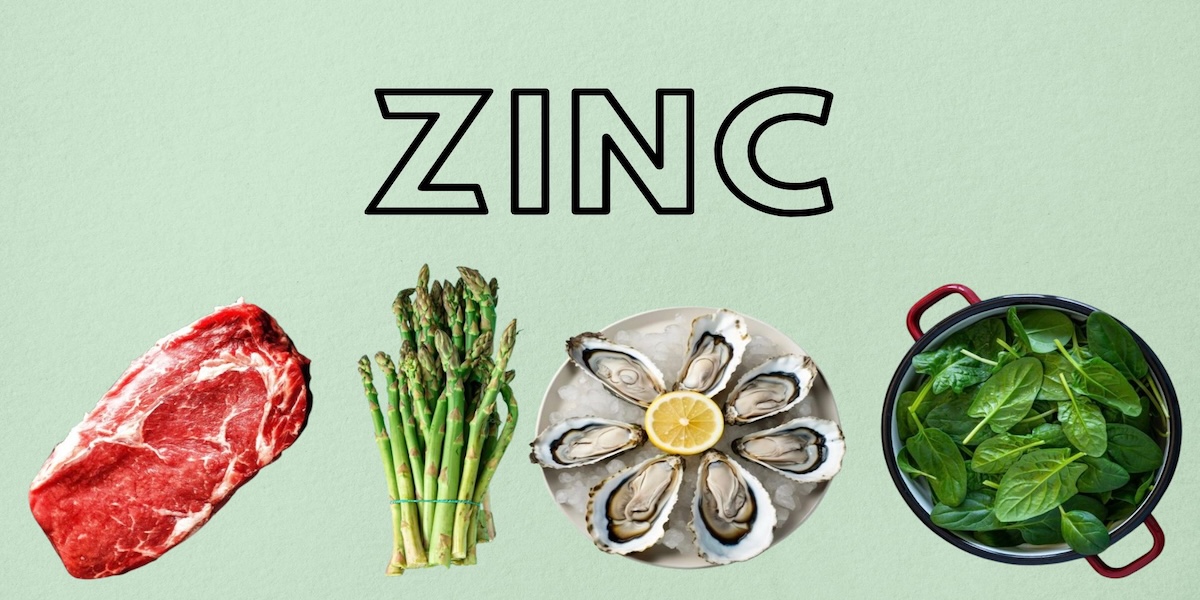
ZINC - The Nutrient People Often Overlook
When people think about nutrition for fitness, weight loss or body composition improvement, zinc is rarely the first mineral that comes to mind.
Protein intake, calorie balance and exercise usually dominate the conversation.
Yet zinc plays an important supporting role in many biological processes that influence how the body performs, recovers and adapts.
Zinc is an essential trace mineral. The human body cannot produce it naturally, which means it must be obtained through diet or, in some cases, supplementation under professional guidance.
It is involved in hundreds of enzymatic reactions that influence metabolism, immunity, hormone regulation and tissue repair.
For people interested in fitness performance, muscle preservation or long-term health, zinc is part of the nutritional foundation that helps other biological systems function efficiently.
What Zinc Does Inside the Body
Zinc supports a wide range of physiological processes.
Some of its key functions include:
• Supporting immune system regulation
• Helping protein synthesis pathways
• Contributing to hormone balance
• Supporting DNA and cellular repair mechanisms
• Assisting metabolic enzyme activity
• Supporting skin and tissue healing
• Helping maintain normal sensory function such as taste and smell
Although zinc is required in small quantities, deficiency can influence several aspects of physical performance and wellbeing.
Zinc and Muscle Health
Muscle tissue relies heavily on efficient protein metabolism.
Zinc plays a role in supporting protein synthesis, which helps the body repair and maintain muscle fibres after physical activity.
For people focusing on fitness or body composition improvement, muscle preservation is extremely important.
During periods of calorie reduction or weight management, there is sometimes a risk of losing lean tissue alongside fat.
Supporting micronutrient intake, including zinc, helps maintain biological conditions that favour muscle maintenance.
This becomes particularly relevant for adults over the age of 40, when natural muscle turnover patterns begin to change.
Advanced body composition assessment tools such as DEXA scanning can help monitor lean tissue trends over time and provide useful insight into how the body is responding to lifestyle or training changes.
Zinc and Immune Function
Zinc is widely recognised for its role in immune system health.
It helps regulate inflammatory signalling pathways and supports normal immune cell activity.
People with inadequate zinc intake may sometimes experience:
• Slower recovery from minor infections
• Reduced wound healing efficiency
• Increased vulnerability to illness during stress or training periods
For individuals who exercise regularly, immune recovery is important because excessive training stress combined with poor nutrition can reduce performance adaptation.
Hormonal Health, Metabolism and Weight Management
Zinc contributes to hormone regulation processes.
It is often discussed in relation to:
• Testosterone balance
• Insulin signalling efficiency
• Thyroid metabolic activity
• Growth and tissue repair signalling
Hormonal balance plays an important role in body composition because hormones influence fat storage, muscle maintenance and energy utilisation.
Some research suggests zinc may help support insulin function pathways.
Stable metabolic signalling can help support long-term weight management and energy regulation.
Zinc and Skin and Tissue Health
Zinc is frequently associated with skin repair biology.
It supports collagen-related processes and cellular regeneration.
People who experience slow wound healing or certain skin concerns may benefit from ensuring adequate zinc intake as part of a balanced nutritional approach.
Zinc and Energy Metabolism
Zinc supports enzyme systems involved in carbohydrate, fat and protein metabolism.
This means zinc indirectly influences how efficiently the body converts food into usable energy.
Low zinc intake may sometimes be associated with fatigue or reduced exercise performance.
Zinc and Fitness Performance
Physically active individuals may have slightly higher zinc requirements.
This is partly because zinc can be lost through sweat during training.
Fitness-related benefits associated with adequate zinc intake may include:
• Improved recovery efficiency after exercise
• Support for muscle maintenance pathways
• Better immune resilience during high training periods
• Assistance with hormone signalling balance
Consistency in nutrition is usually more important than occasional supplementation.
Zinc and Body Composition
From a body composition perspective, zinc supports several important biological processes.
Muscle Preservation
Supporting protein metabolism helps maintain lean tissue during calorie deficit phases or lifestyle change programmes.
Preserving muscle is important because muscle tissue supports resting metabolic rate and functional strength.
Fat Metabolism Support
Zinc contributes to metabolic enzyme function, helping the body process nutrients efficiently.
Recovery Biology
Training adaptation occurs during recovery periods rather than during exercise itself.
Zinc contributes to tissue repair pathways that support adaptation.
Zinc and Weight Management
Zinc is not a weight loss mineral by itself.
However, it supports biological systems associated with metabolic health.
Successful long-term weight management is usually achieved through multiple lifestyle factors working together.
These typically include:
• Balanced energy intake
• Adequate protein consumption
• Regular physical movement
• Micronutrient sufficiency
• Good sleep recovery
Good Dietary Sources of Zinc
Zinc is best obtained through diet where possible.
Good UK-friendly zinc sources include:
• Red meat
• Seafood such as oysters
• Poultry
• Nuts, especially cashews
• Seeds
• Whole grains
• Dairy products
• Beans and legumes
People following plant-based diets may need to plan zinc intake carefully because plant compounds such as phytates can reduce mineral absorption.
Possible Signs of Low Zinc Intake
Potential indicators of low zinc status may include:
• Slow wound healing
• Reduced appetite
• Hair thinning
• Skin changes
• Reduced taste or smell sensitivity
• Increased susceptibility to infections
These symptoms are not specific to zinc deficiency but may suggest nutritional review could be helpful.
How Much Zinc Do Adults Need?
General UK dietary guidance suggests:
• Adult men approximately 9 to 10 mg per day
• Adult women approximately 7 mg per day
Individual requirements may vary depending on:
• Physical activity level
• Diet composition
• Age
• Stress exposure
• Training intensity
Zinc and Long-Term Health Thinking
Modern healthcare is moving toward long-term wellbeing rather than short-term body change.
Muscle preservation, immune function and metabolic stability all contribute to healthy ageing.
Micronutrients such as zinc play supporting roles in maintaining these systems.
Zinc is one of those nutrients that works quietly but powerfully behind the scenes.
It supports muscle maintenance, immune function, metabolic health and tissue repair biology.
For people interested in fitness, body composition or long-term wellbeing, ensuring adequate zinc intake is a sensible nutritional consideration.
Good body composition is not achieved through a single nutrient alone.
It is built through consistent training, balanced nutrition, recovery and healthy lifestyle habits.
Zinc is one of the minerals that helps support these biological processes.